Diving trip in the Red Sea - Aqaba
Aqaba, Jordan
0/5
0% of guests recommend
Duration
2h
Tour Type
Diving & Snorkeling
Group Size
12 persons
Overview
Are you looking for an unforgettable underwater adventure?
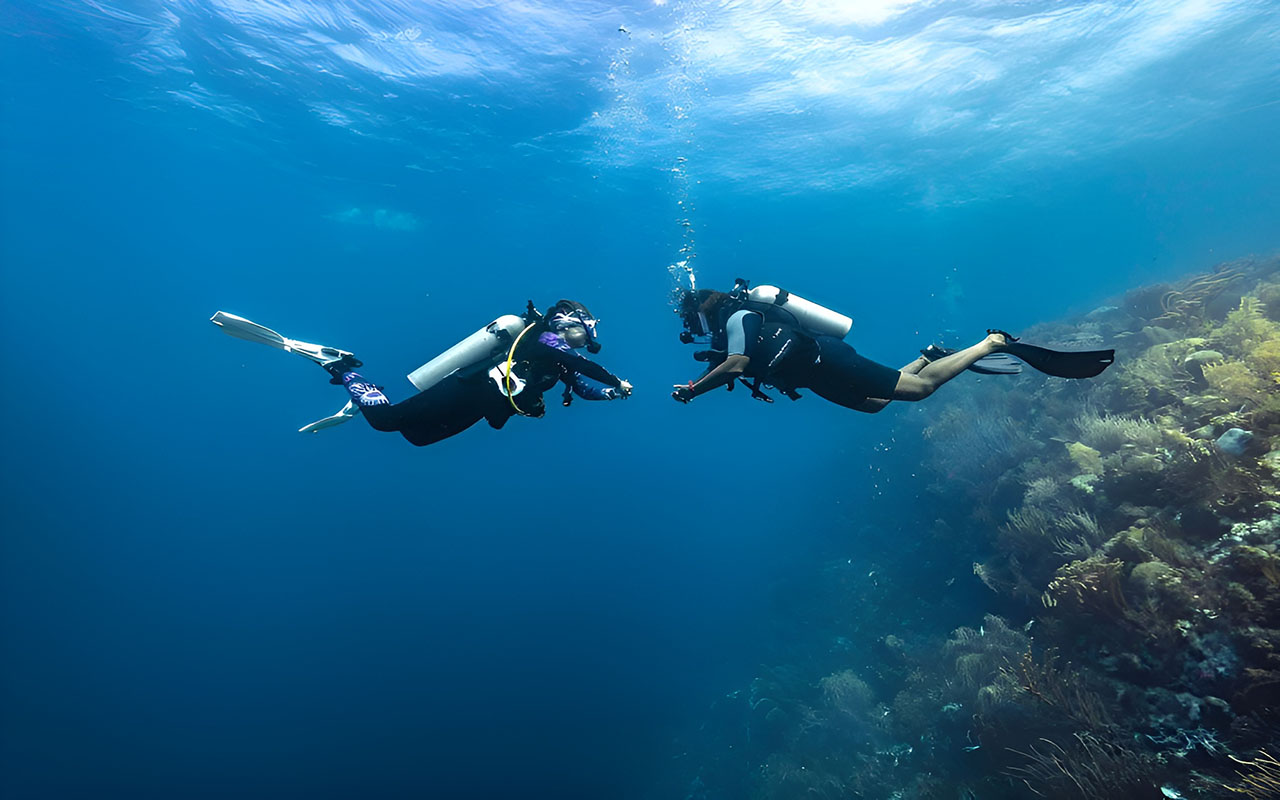
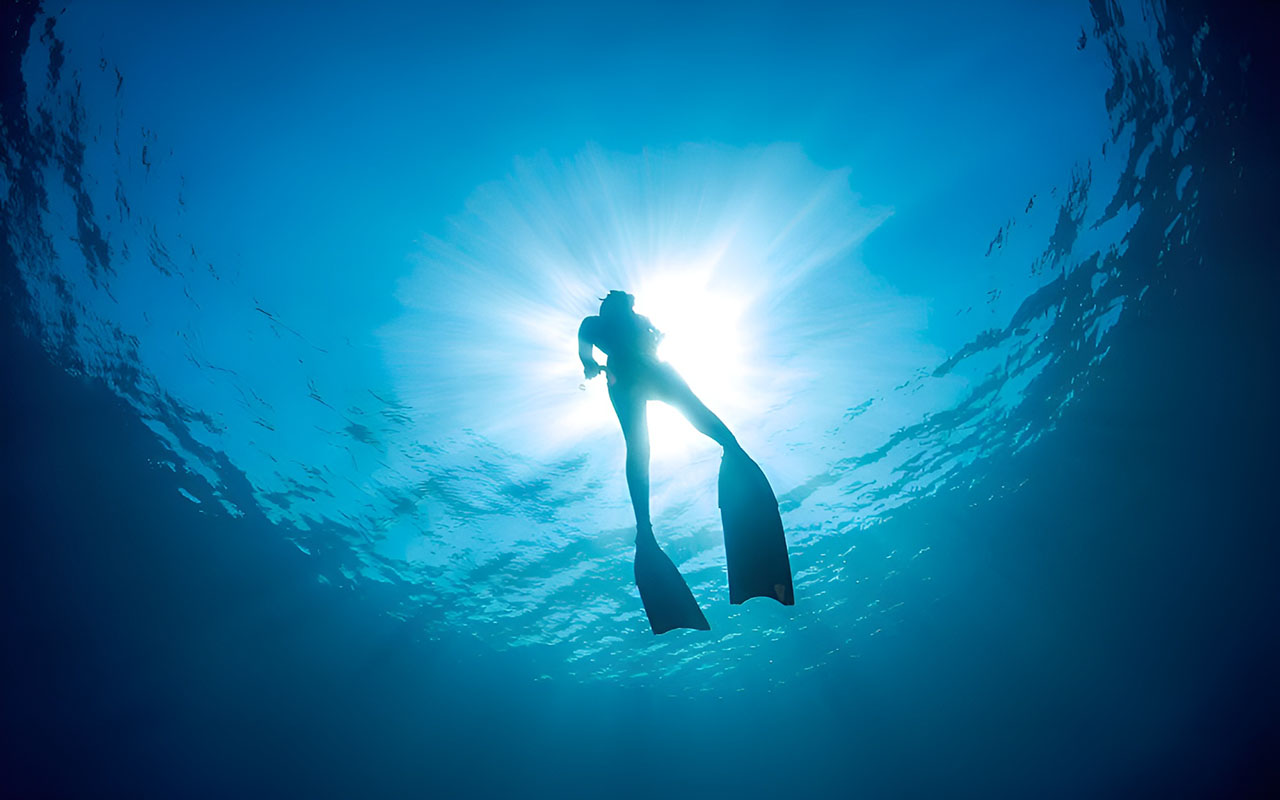
Join us on an unparalleled diving trip in the Red Sea, where you will explore a world rich in beauty and diversity.
With an experienced, certified guide, you will dive into the depths of the Red Sea and discover:
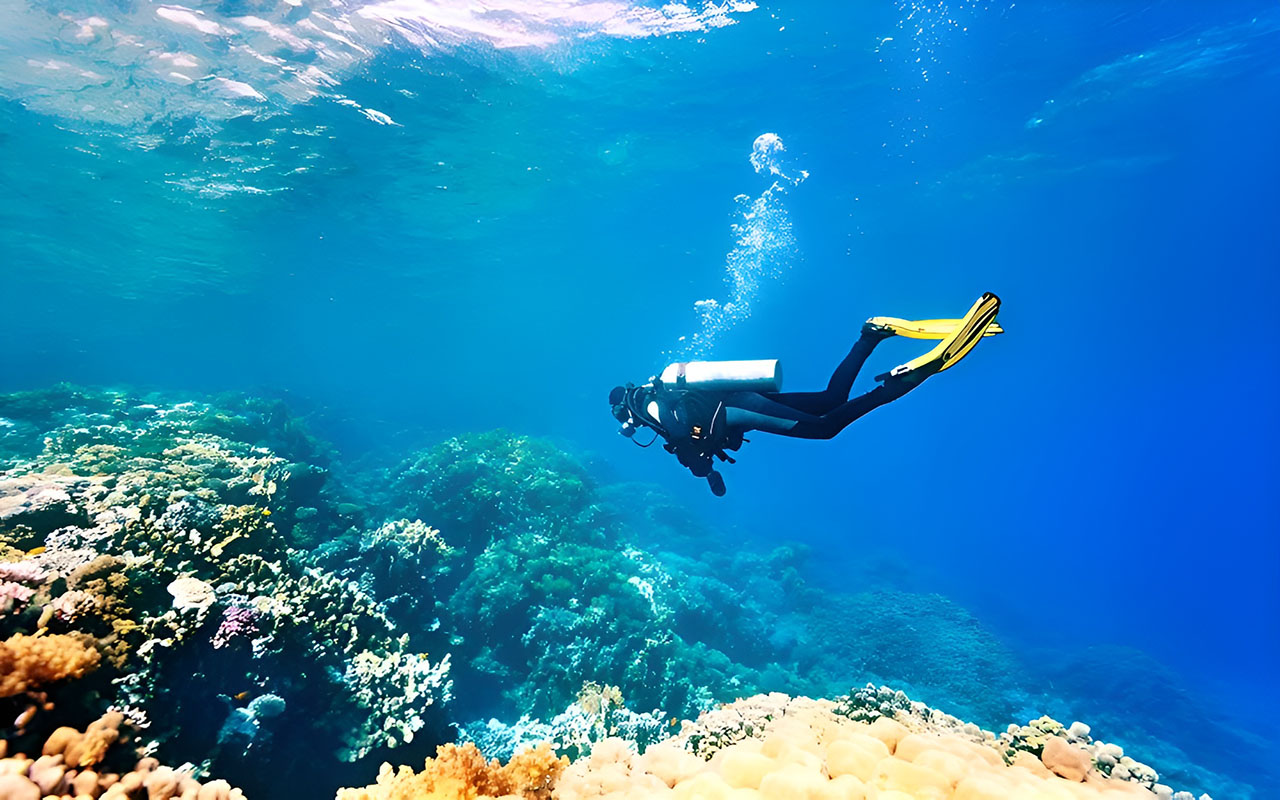
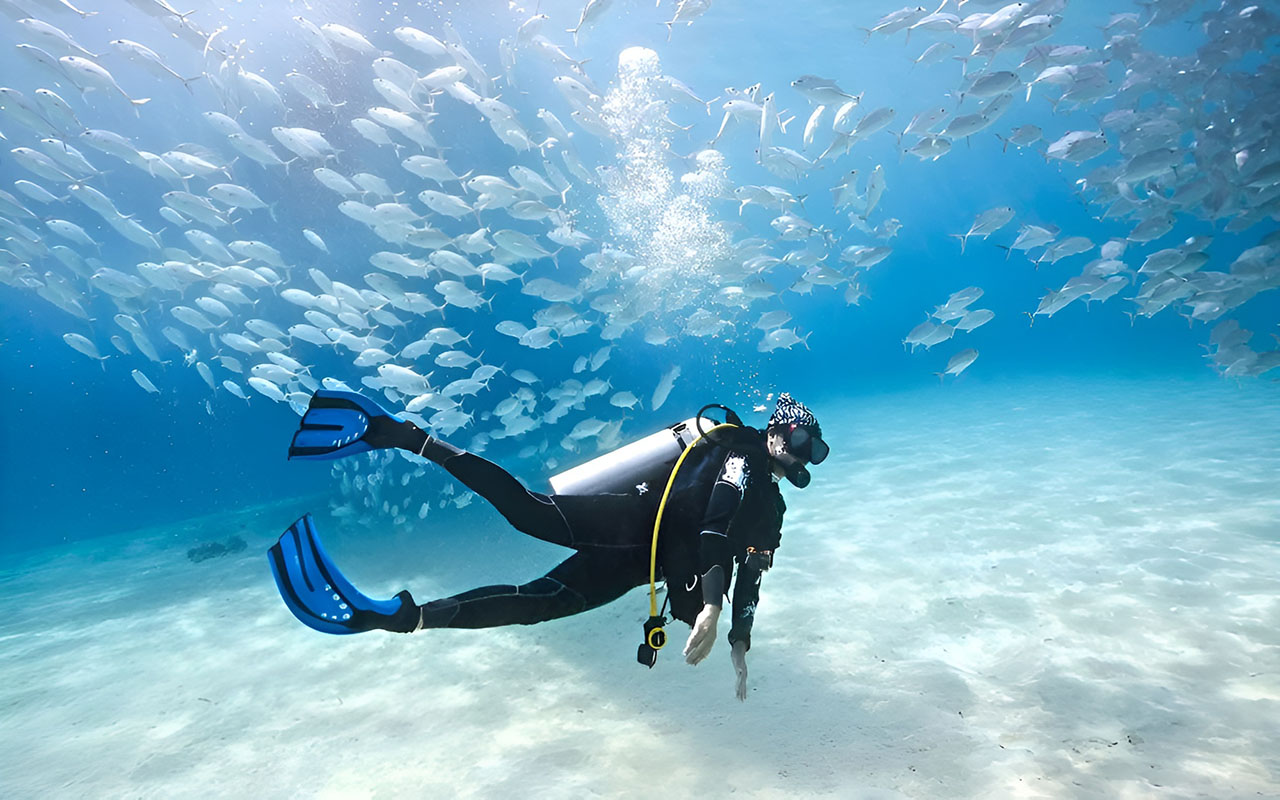
-You will be dazzled by the bright colors and diverse shapes of marine life, from colorful tropical fish to sparkling coral reefs.
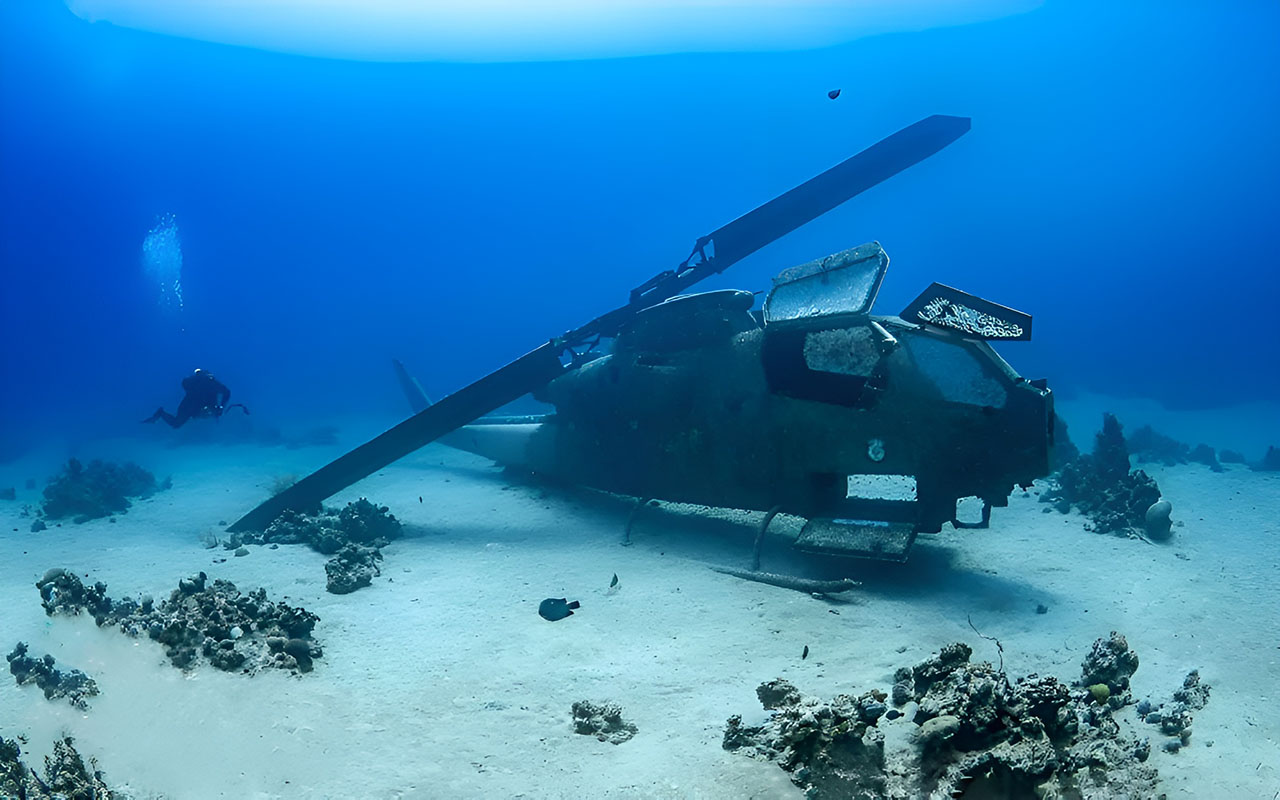
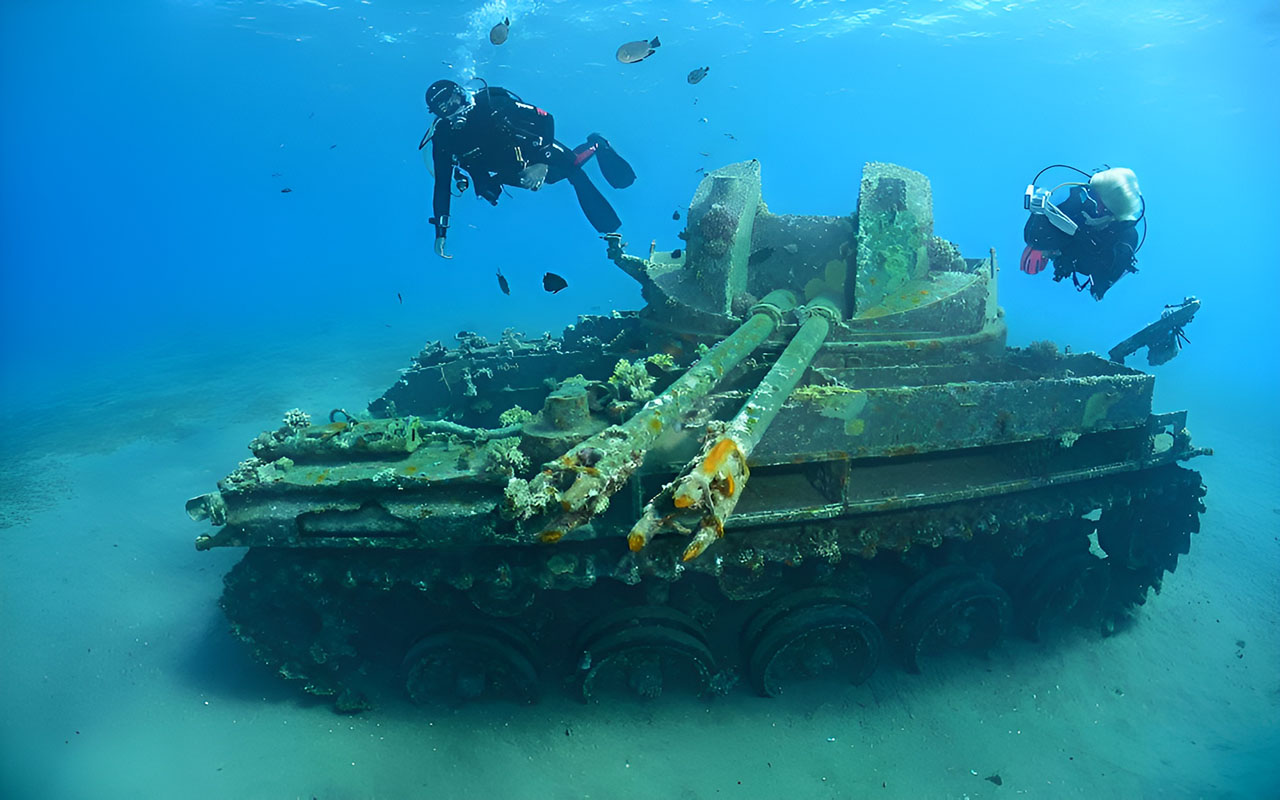
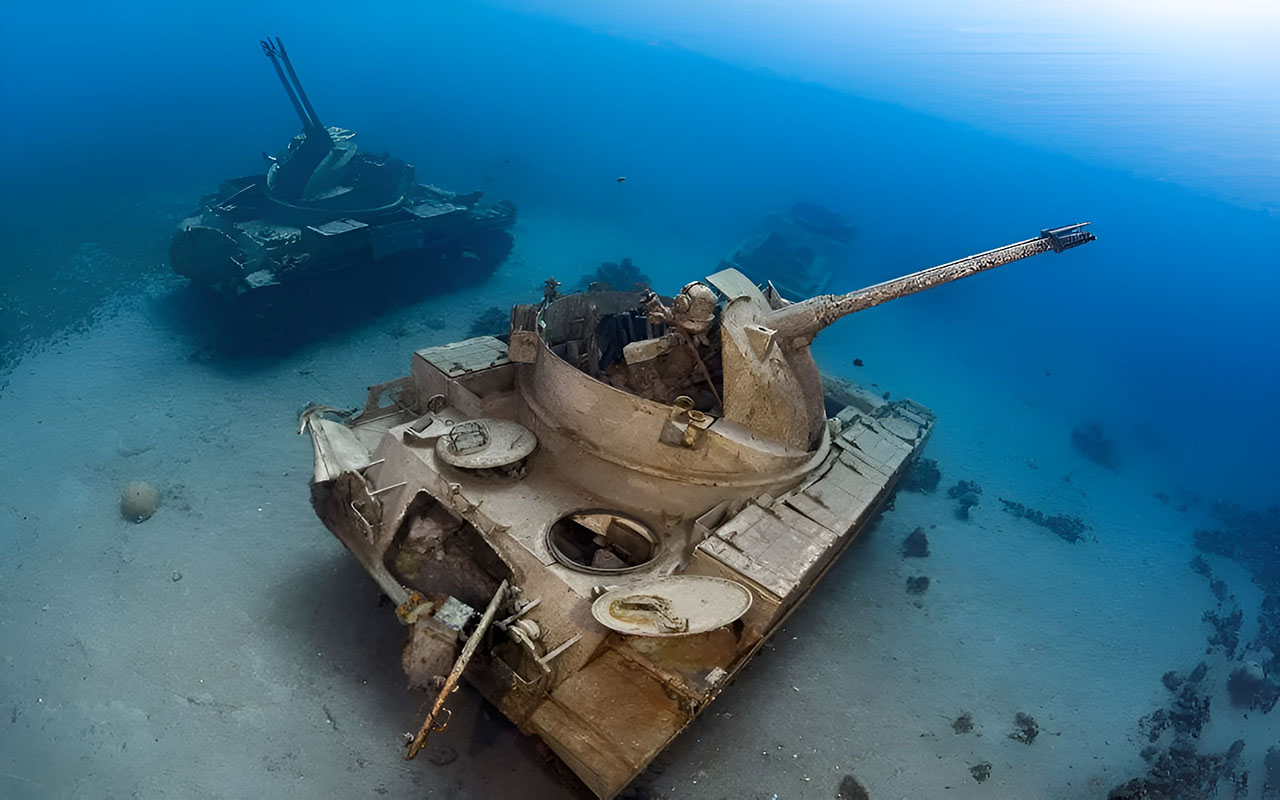
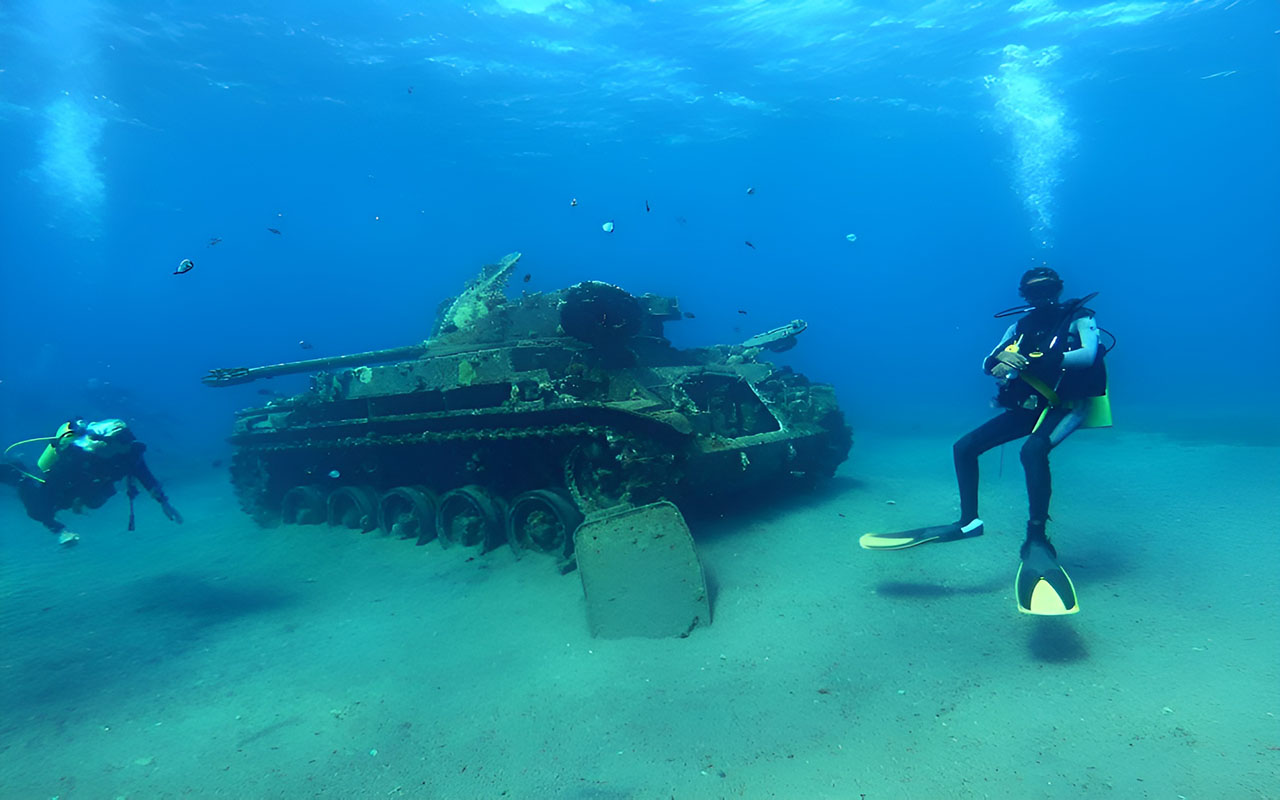
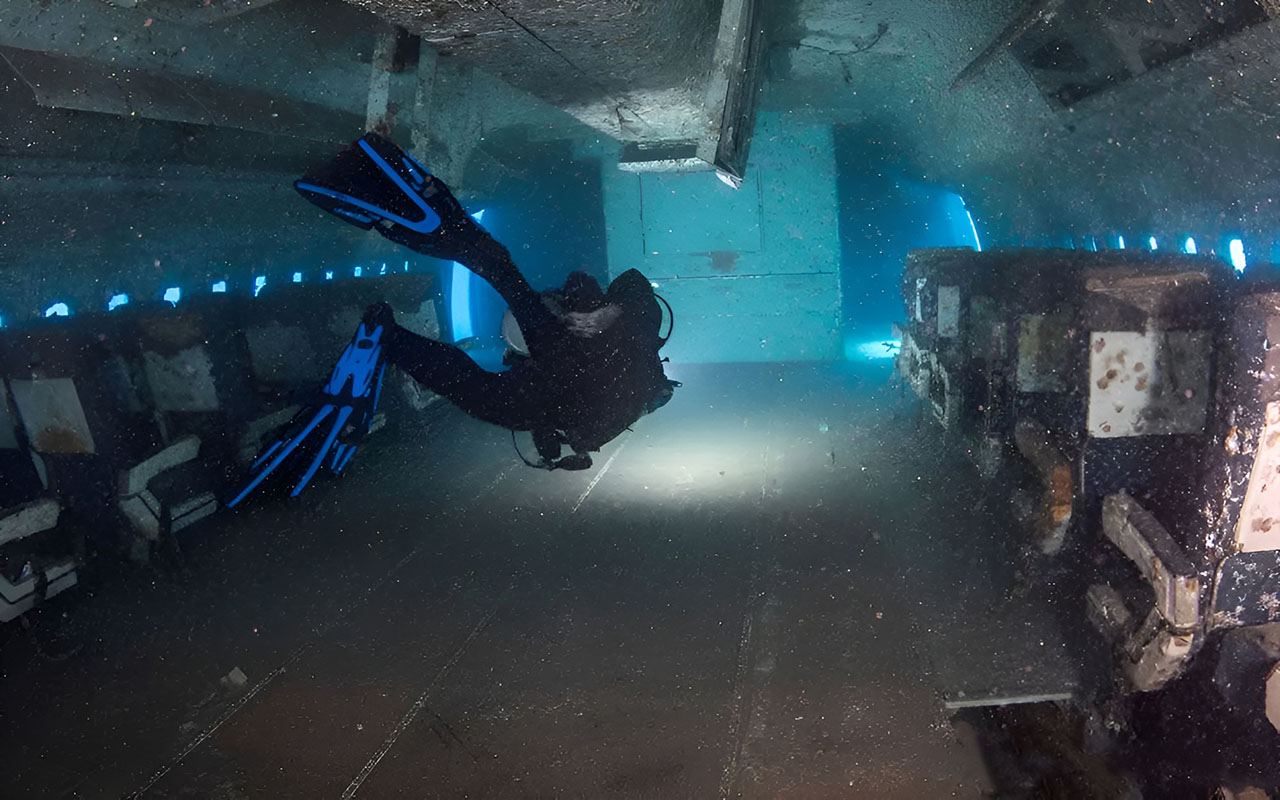
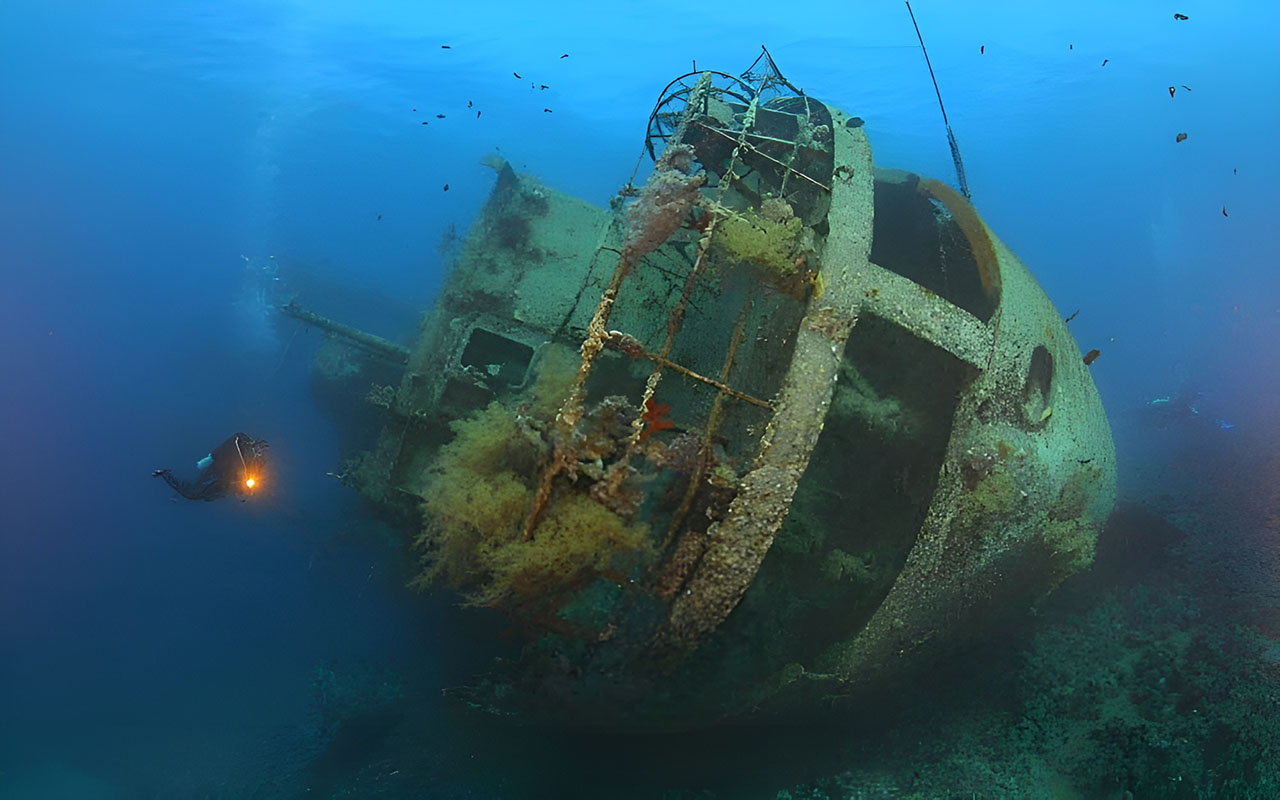
- Explore the secrets of sunken ships that tell tales of the past, and discover a unique underwater world.
-The dive site and maximum depth will suit your diving experience and certification, ensuring a safe and enjoyable experience for all.
This private diving trip is ideal for all levels of divers, from beginners to advanced.
Included/Excluded
Use of SCUBA equipment
Use of Snorkelling equipment
Air-conditioned vehicle - Round trip transportation
Bottled water
Capture and record Diving - Photos and Videos
Lunch
Itinerary
1st Step
Registration and preparation
1st Step
Registration and preparation
Arrival at the diving site, equipment preparation and distribution of diving equipment such as wetsuit, life jacket, diving goggles, swimming fins, and air tank. Equipment is checked by instructors to ensure safety.
2nd Step
Instructions and plan
2nd Step
Instructions and plan
The instructors will provide safety instructions and guidance on how to use the equipment and behave in the water. This includes how to breathe using scuba equipment, and how to act in an emergency.
Review of the dive plan: The dive plan is explained, including the location where the dive will be made, the expected depth, the time period of the dive, and emergency procedures.
3rd Step
Transfer to the dive site
3rd Step
Transfer to the dive site
You will board the boat that will take you to the dive site, the boat will set off towards the specified site. The trip may take from 15 to 30 minutes, depending on the location. During the trip, further instructions will be provided and any questions from the divers will be answered.
4th Step
Preparing for the dive
4th Step
Preparing for the dive
Arriving at the dive site: Upon arrival at the site, instructors ensure that all divers are prepared and properly equipped.
Entering the water: Divers are taught how to enter the water safely. This may be done either by jumping from a boat or descending via a ladder, depending on experience level and conditions.
5th Step
Underwater Diving
5th Step
Underwater Diving
After entering the water, divers begin their slow dive under the supervision of instructors. Buoyancy levels are checked, equipment is checked and once everyone is comfortable underwater, site exploration begins. This can include coral reefs, shipwrecks, and observation of various marine life such as fish and turtles.
Depth and Time Control: Depth and time underwater are monitored to ensure everyone is within safe limits for the dive.
6th Step
Ascent and return to the boat
6th Step
Ascent and return to the boat
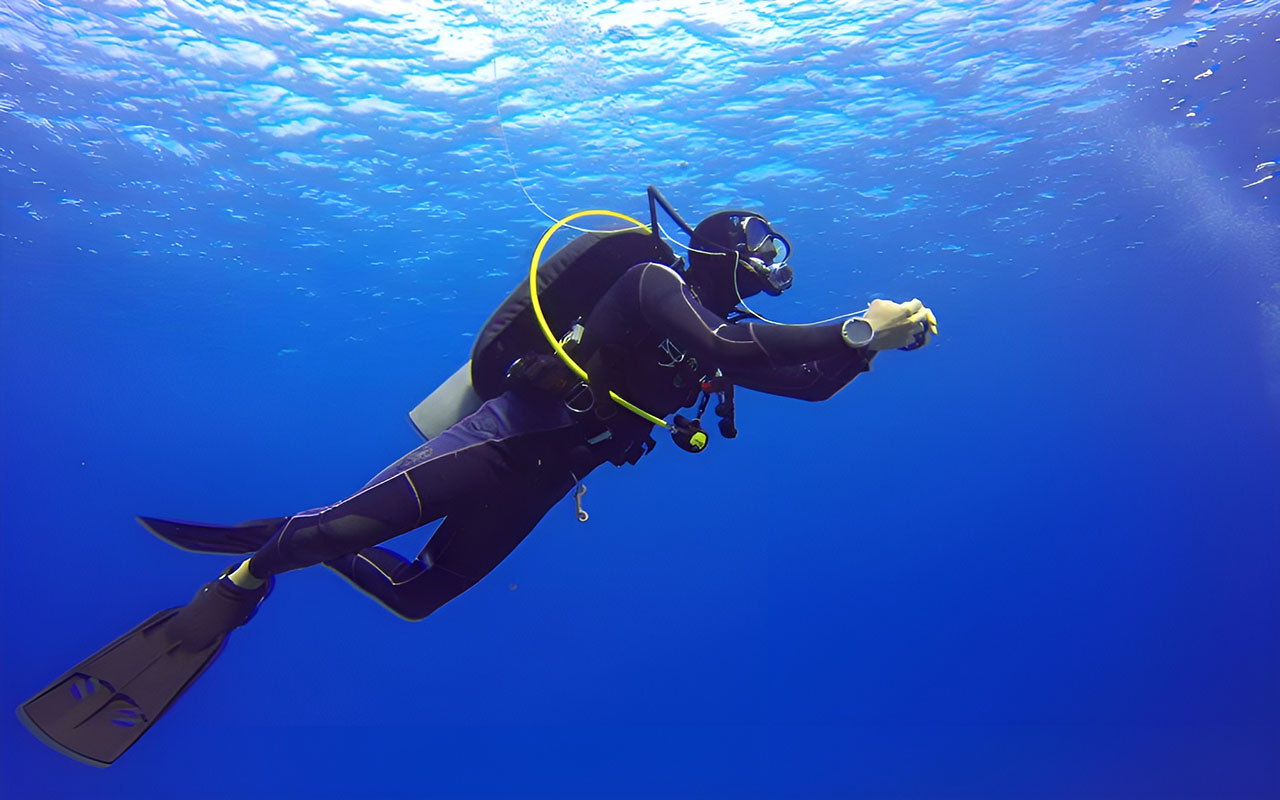
Gradual ascent: After the dive time is over or the specified amount of air is consumed, divers begin to ascend gradually to the surface. Stops are made at certain depths if necessary to release nitrogen from the body (safety stops), and return to the boat.
7th Step
Return to shore
7th Step
Return to shore
After boarding the boat, the team returns to shore. During the return, the diving experience is discussed, and photos and notes about the marine life seen are shared.
Experience Category
Adventure
Nature
Marine
Destination / Environment
Sea
Activities
Diving
FAQs
Is it possible to dive in Aqaba all year round?
Yes, diving in Aqaba is possible all year round. The water has a moderate temperature of 22-28 degrees Celsius, making it suitable for diving in all seasons. However, many prefer to dive in the spring and autumn months due to the ideal conditions.
Is diving in Aqaba safe?
Yes, diving in Aqaba is safe if safety guidelines are followed.
What marine life can you see while diving?
Aqaba is famous for its diverse marine life, including colorful coral reefs, tropical fish, sea turtles, and sometimes dolphins. Rare sea creatures such as lionfish, napoleon fish, and reef octopus can also be seen.
Can beginners dive in Aqaba?
Yes, beginners can dive with professional instructors with you throughout the diving tour.
Do I have to be a good swimmer to scuba dive?
You don't have to be a good swimmer, but you do have to be comfortable in the water.
What foods and drinks should I eat before diving?
It is best to eat a light meal before diving that contains carbohydrates and protein. Avoid eating fatty or carbonated foods.
How long is a single dive?
A single dive typically lasts between 30 and 60 minutes, depending on the depth of the dive, air consumption, and the diver's experience. Diving in shallow water may take longer due to less air consumption.
Are there different types of diving in Aqaba?
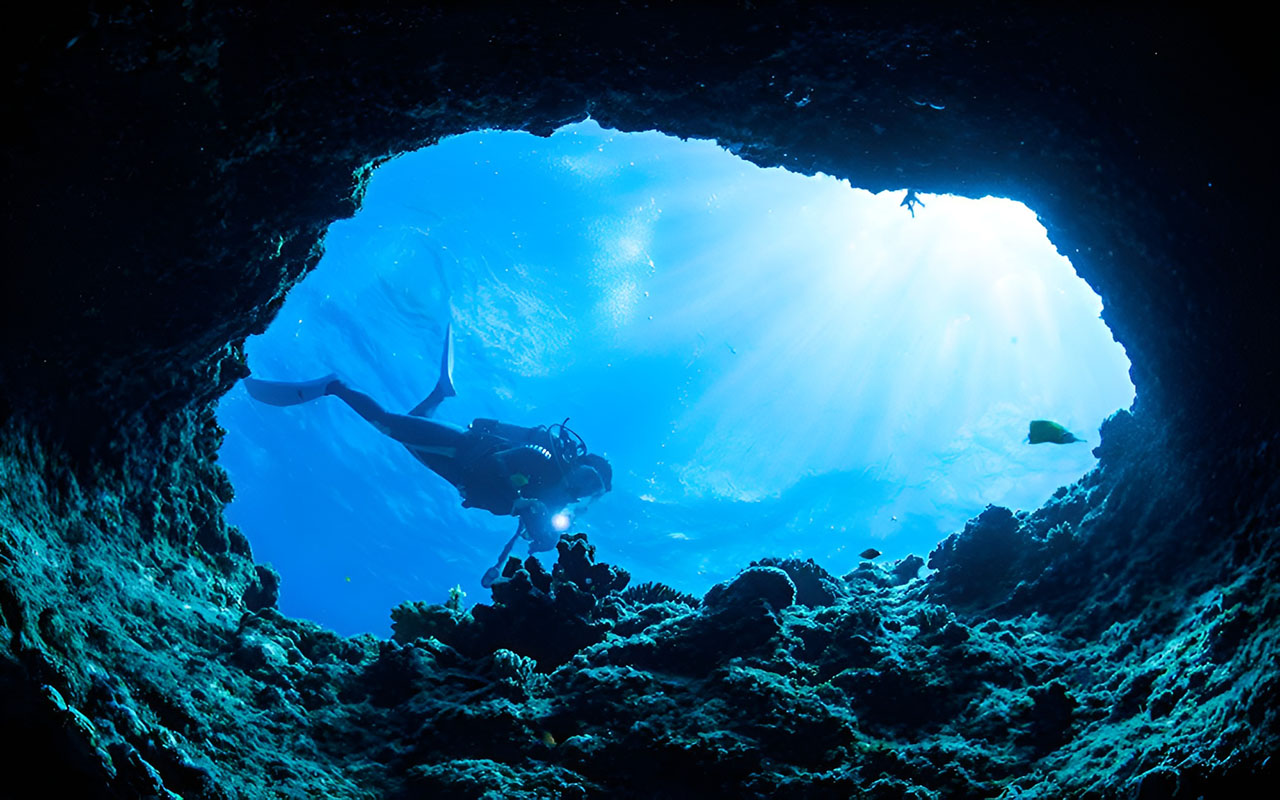
Yes, there are several types of diving in Aqaba including recreational diving, night diving, wreck diving, technical diving, and cave diving. Each of these types offers a different experience depending on the diver’s skill level and interests.
What are the safety procedures followed while diving?
Safety procedures include making sure to check the equipment before diving, following the instructor's instructions, diving in groups or with a partner, maintaining a reasonable depth according to the training level, and constantly monitoring air consumption.
Are there any protected areas or special rules for diving in Aqaba?
Yes, there are some protected areas in Aqaba that aim to protect marine life and coral reefs. Divers must abide by local rules and regulations such as not touching or damaging coral reefs and not disturbing marine life.
What is the best time of day to dive?
Diving can be done at any time of the day, but many people prefer to dive early in the morning when the water is calmer and visibility is better. Night diving also offers a unique experience where you can see nocturnal marine life.
Are there any risks from marine life while diving?
Marine life in Aqaba is usually harmless, but it is important to avoid touching or trying to handle marine animals. Some species such as lionfish and jellyfish can be poisonous, so follow the instructors’ instructions and do not tamper with marine life.
Can divers with special needs dive in Aqaba?
Yes, we offer services specifically for divers with special needs, including special training and equipment designed to meet their needs. It is best to inform us in advance to inquire about the options available.
Is diving in Aqaba affected by tides?
In general, diving in Aqaba is not as heavily affected by tides as some other destinations, as the Red Sea is known for its relative stability.
What symptoms should you watch for after diving?
Any signs of extreme fatigue, dizziness, joint pain, or difficulty breathing should be watched after diving. These symptoms may indicate problems such as decompression sickness and immediate medical attention should be sought if they occur.
Are there female diving instructors?
Yes, there are female diving instructors in Aqaba. We have certified instructors to cater to the needs of divers and visitors, including women who prefer to train with female instructors.
Is transportation available from the accommodation to the diving site?
Yes, transportation is available within the tour itinerary to the diving site.
Tour Location
Aqaba, Jordan
Reviews
0/5
Not Rated
Based on
0 review
Excellent
0
Very Good
0
Average
0
Poor
0
Terrible
0
No Review
Booking Web

Member Since Mar 2026
33%
from
$180.00
$120.00
Tour Start Date
{{ start_date_html }}
Tour End Date
{{ end_date_html }}
Last Booking Date
{{ last_booking_date_html }}
{{start_date_html}}
Selected date
{{ start_date_html }}
{{type.desc}}
{{type.display_price}} per person
Extra prices:
({{type.price_type}})
{{type.price_html}}
Discounts:
{{type.from}} - {{type.to}} guests
from {{type.from}} guests
- {{ formatMoney(type.total) }}
({{type.price_type}})
{{ type.price }}%
{{ formatMoney(type.price) }}
- {{total_price_html}}
- {{pay_now_price_html}}
from
$180.00
$120.00